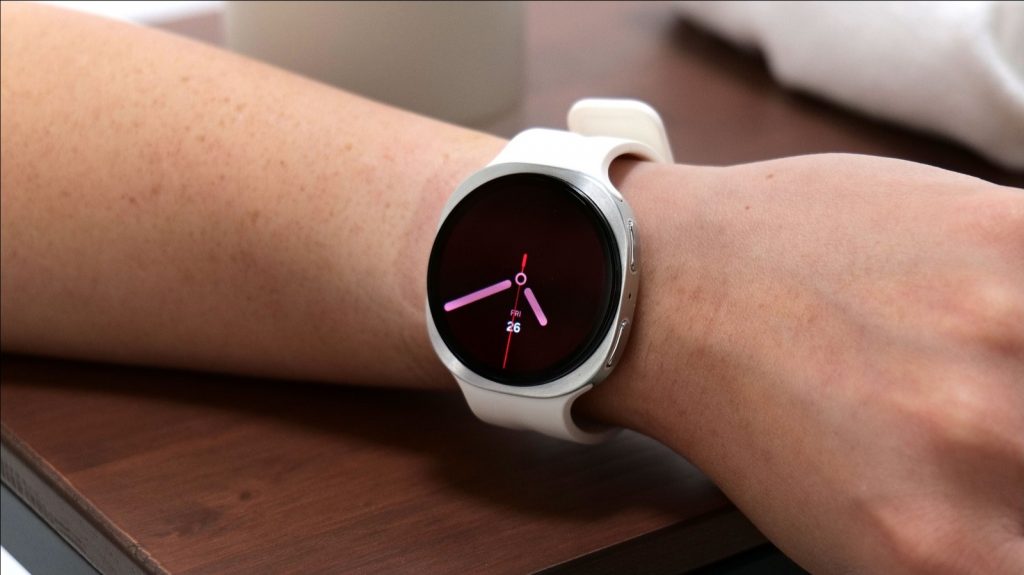
It continues on the course set by the Watch 8.
Last year, Samsung redesigned the Galaxy Watch with a smaller profile and even greater focus on health and wellness monitoring. It should be less of a surprise, then, to see the company stay the course, bringing only the most minor of improvements to the new Watch 9. Naturally, the Galaxy Watch 9 ships with Google's Wear OS 7, and gets a new engine in the form of Qualcomm's Snapdragon Wear Elite. Samsung says the new system-on-chip will boost the watch's speed and efficiency, especially for its health-monitoring features.
Rounding out the list of major changes is the bigger batteries, with a 390mAh cell in the 40mm version and a 445mAh unit in the 44mm variant. Samsung says both watches should last for up to 30 hours on a single charge if you're using the always-on display. Oh, and there's a new cream colored case for the 40mm edition, should you find the graphite and silver finishes to clash with your personal style. As for the rest of the spec sheet, you can check out our comparison between the Watch 9 and its predecessor to see if you can find any differences.
Naturally, a big part of the sales pitch here is in the AI-enhanced health-tracking features, many of which carry over from the Watch 8. That includes Sleep Apnea monitoring, Heart Health Score and Daily Cardio Load, a generalized Fitness Index and loud noise alerts to protect your hearing. Buyers will also get access to free trials for Strava and iFIT, should they feel the need to show off their latest routes and access professionally-created guided workouts.
Samsung's Galaxy Watch 9 starts at $380 for the Bluetooth model and $430 for the LTE model, and are available to pre-order today. The company says both watches, along with its pricier Ultra sibling, will hit general availability on August 7.
Source: Engadget — This article was automatically imported from the source. Read full article at original source →

