A hot potato: A federal case in Atlanta is raising questions about a privacy-focused mobile operating system, with prosecutors arguing that its features were used to erase evidence. The US Department of Justice is attempting to prosecute Atlanta resident Sam Tunick under a federal statute that makes it a crime to destroy property in an effort to prevent it from being seized.
The case centers on Tunick's use of GrapheneOS, an open-source operating system that works on Google Pixel phones and lets users enter a passcode to wipe a device clean.
Experts said the legal approach is unusual and may be the first time the law has been aimed at an operating system. "It's concerning – and sends the message that [GrapheneOS] is criminal by default," said Christophe Boutry, a cybersecurity and surveillance expert. Boutry and Bill Buddington, senior staff technologist at the Electronic Frontier Foundation, both said they had not seen a similar case.
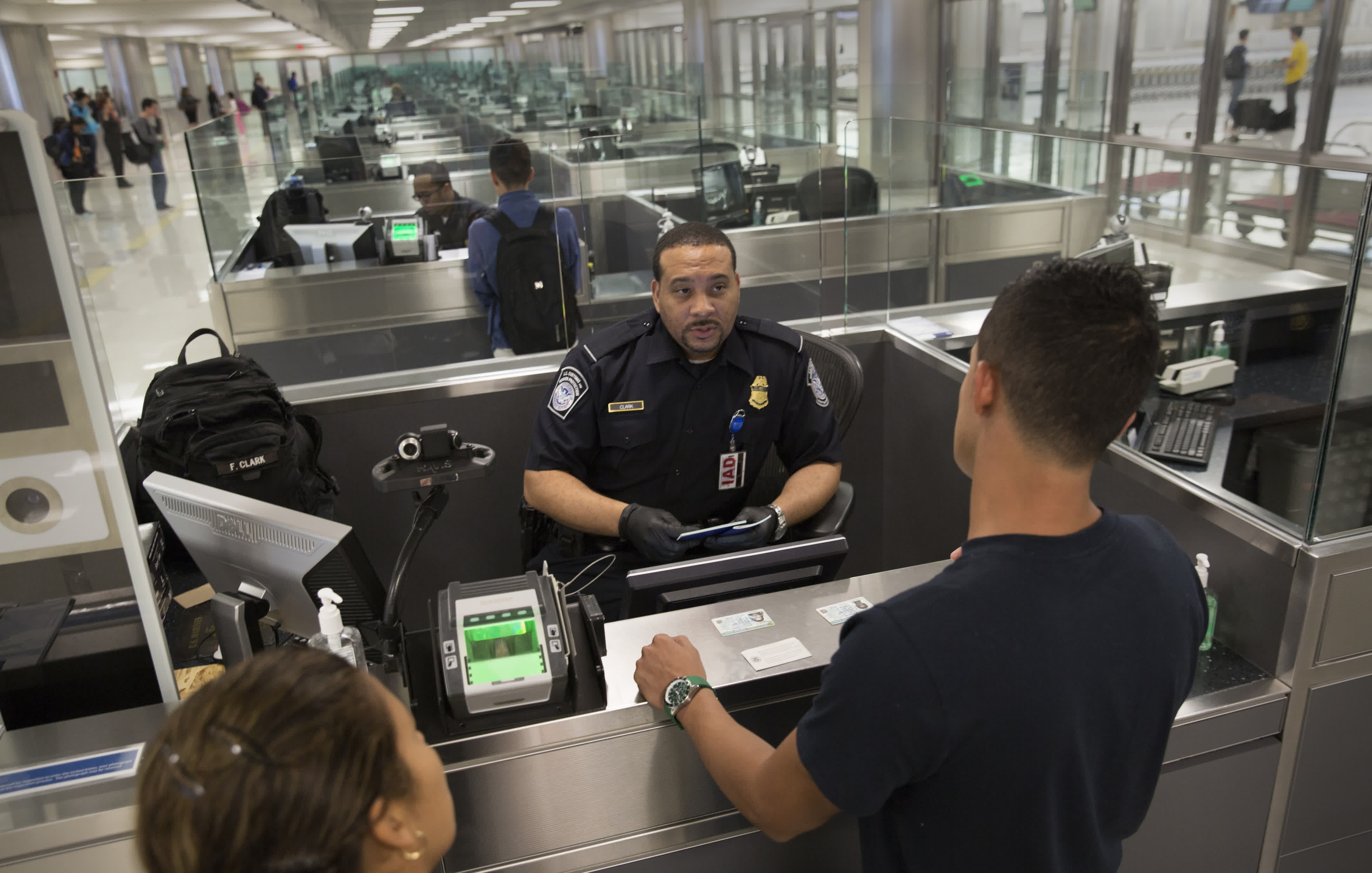
The incident began at Hartsfield-Jackson Atlanta International Airport on January 24 of last year. Tunick had just returned from a trip to the Dominican Republic when he was stopped for questioning. According to court testimony, federal agents had already circulated his name and photo internally, saying he was under investigation for "suspected terrorism activities" because of his alleged association with the movement against Cop City.
The case raises questions about which constitutional rights apply at US borders, including international airports, where authorities have broader search powers. A judge is not expected to rule on the defense motion until at least late October.
Source: Hacker News — This article was automatically imported from the source. Read full article at original source →